
After my work was done at Lucky Shots, I rejoined Fat Pants Brewing Co. as Marketing Director, leading marketing strategy for both the brewery and its THC beverage brand, Flying Cloud. While the brewery continued to perform on systems built during my previous tenure (see experience here), my primary focus was scaling Flying Cloud within a highly regulated and rapidly evolving category.
I led research and analysis that informed recommendations for broader brand evolution, while simultaneously driving performance improvements within existing brand parameters. Key initiatives included restructuring can layouts for stronger shelf impact, refining brand messaging, collaborating cross-functionally on formula adjustments to improve product–market fit, rethinking the advertising approach, and independently designing and launching a new Shopify website to support e-commerce growth.
In late 2025, changes in hemp legislation significantly reduced distribution and co-packing opportunities across the category. To protect the core business of the brewery and limit operational risk, ownership made the decision to wind down Flying Cloud and dissolve the brand’s marketing function. While the outcome was driven by external regulatory forces, the experience reinforced my ability to lead with data, execute effectively within constraints, and adapt quickly in uncertain, high-regulation markets.
Market Assessment & Strategic Framing at Flying Cloud

I joined Flying Cloud during a period of rapid expansion and financial strain, as the company entered nine state markets in under nine months. Growth outpaced the organization’s ability to fully account for launch and support costs, while sell-through at both point of sale and e-commerce lagged expectations.
To create clarity, I developed a foundational market assessment deck to establish a shared understanding of the landscape and inform near-term decisions. The work included competitive analysis, positioning grids, macro trend evaluation, stakeholder interviews, a SWOT analysis, and a synthesis of key findings. Rather than a full transformation plan, the deck framed opportunities, surfaced risks, and outlined potential strategic directions.
Recommendations were intentionally high-level, exploring possible pivots in positioning, target demographic, branding, and channel strategy. Some challenged existing brand assumptions and were not adopted, particularly where creative direction was closely tied to founder vision. Budget constraints also influenced what changes were feasible.
As an early diagnostic, the deck helped anchor subsequent conversations in market insight and practical realities. The company ultimately found success through selective strategic adjustments and alternative approaches, detailed on this page.
Product imagery overhaul
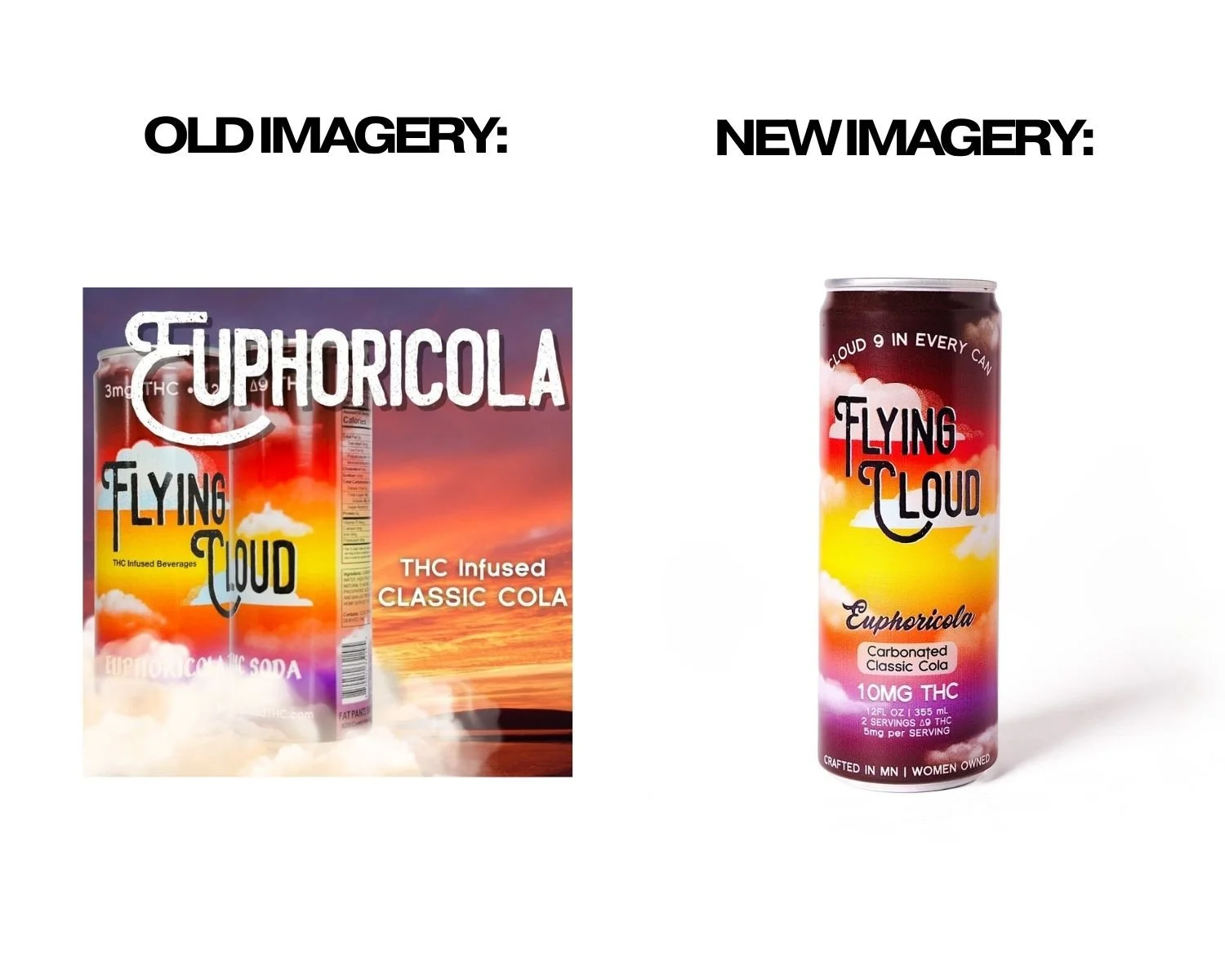
While working with Flying Cloud, I revamped the company’s product photography capabilities under extremely tight budget constraints. With limited resources available, all product photography was produced in-house, despite the team having no prior product photography experience.
Leveraging my background in eCommerce marketing and production, I identified an opportunity to improve image quality through a low-cost, high-impact solution. I recommended and implemented a $400 DIY, single-point lighting studio setup designed specifically for eCommerce product photography.
Prior to this setup, the company relied on outdoor shoots on cloudy days to approximate diffused natural light. To compensate for inconsistent image results, product listings were heavily augmented with graphic design elements that obscured the product itself and made listings harder for consumers to interpret. This approach often resulted in glare, reflections on the cans, and reduced visual clarity.
The in-house lighting setup enabled controlled, repeatable lighting conditions and a shift to clean, product-on-white imagery. This significantly improved visual consistency across listings, reduced reflections and flash flares, and allowed the product to be presented more clearly and confidently to consumers—supporting stronger conversion performance while remaining within strict budget limitations.
Website Redesign for e-commerce efficacy
Upon joining Flying Cloud, it quickly became clear that the existing website was a barrier to achieving the brand’s e-commerce growth goals. Built on Wix, the site suffered from inconsistent formatting, unclear typography, and a lack of cohesive design—issues that undermined consumer trust.
Beyond aesthetics, the site lacked essential functionality for driving conversions: there were no free-shipping thresholds to increase average order value, no subscription options, no quick-pay checkout, and shipping costs were fully passed on to customers, often exceeding $35 per order.
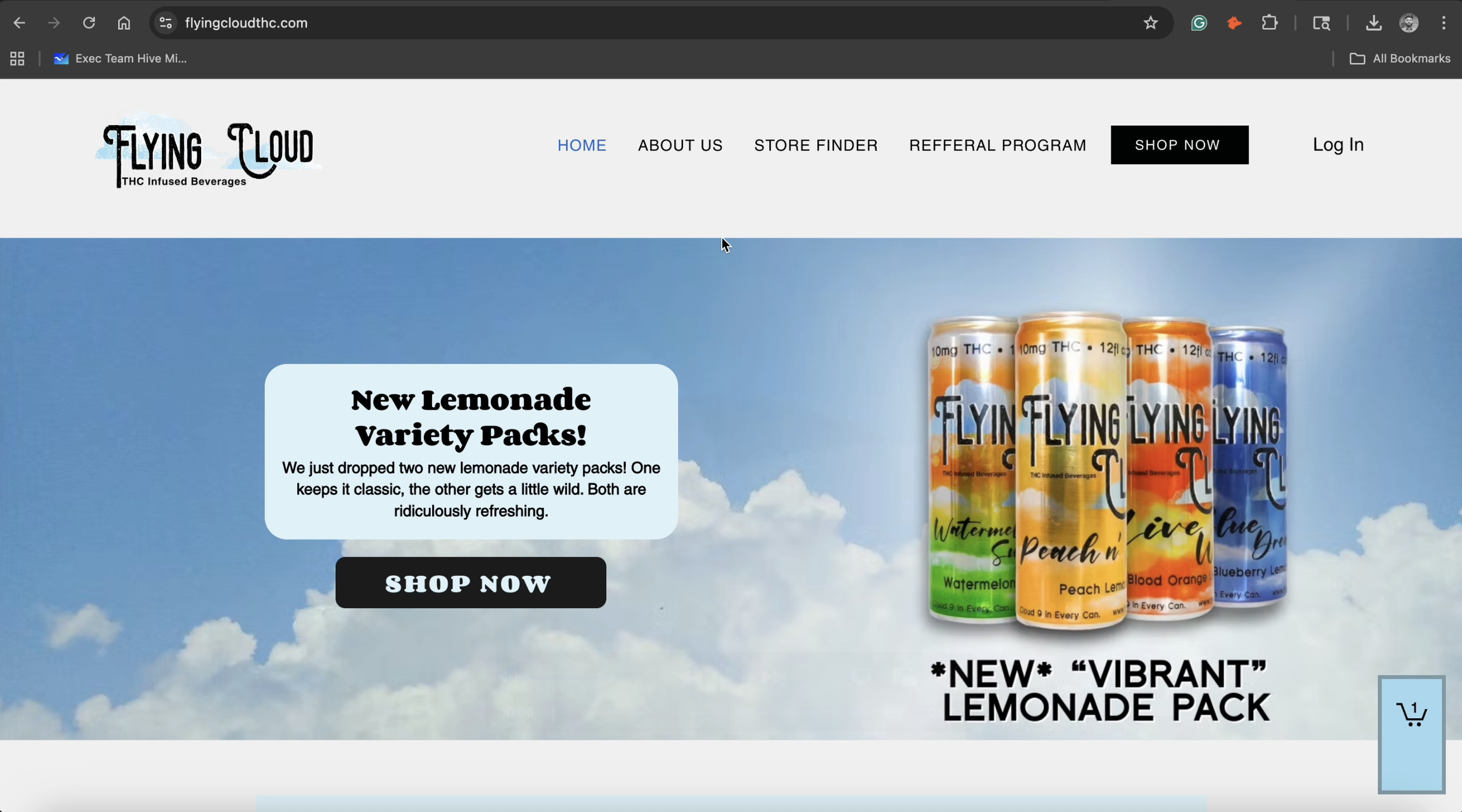
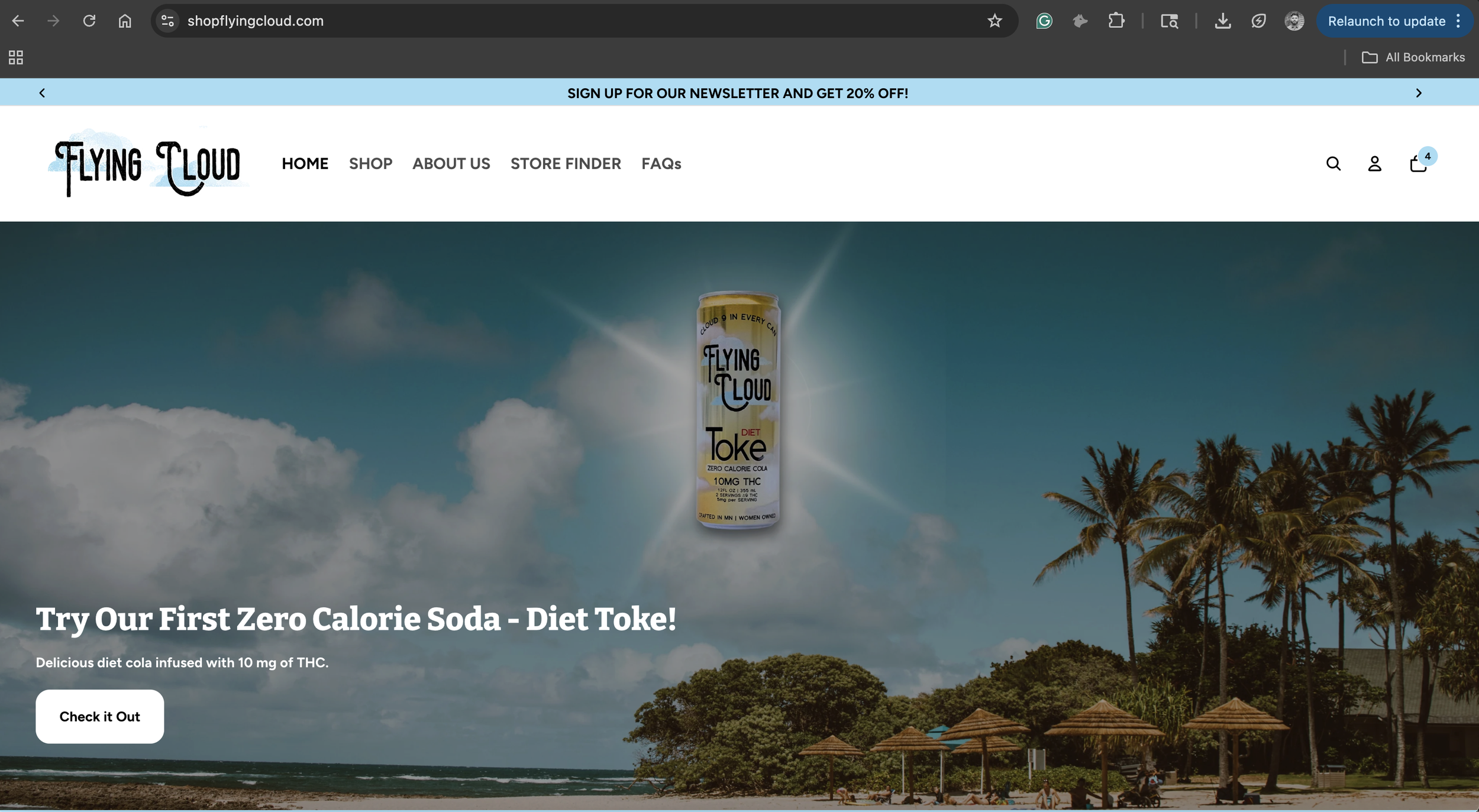
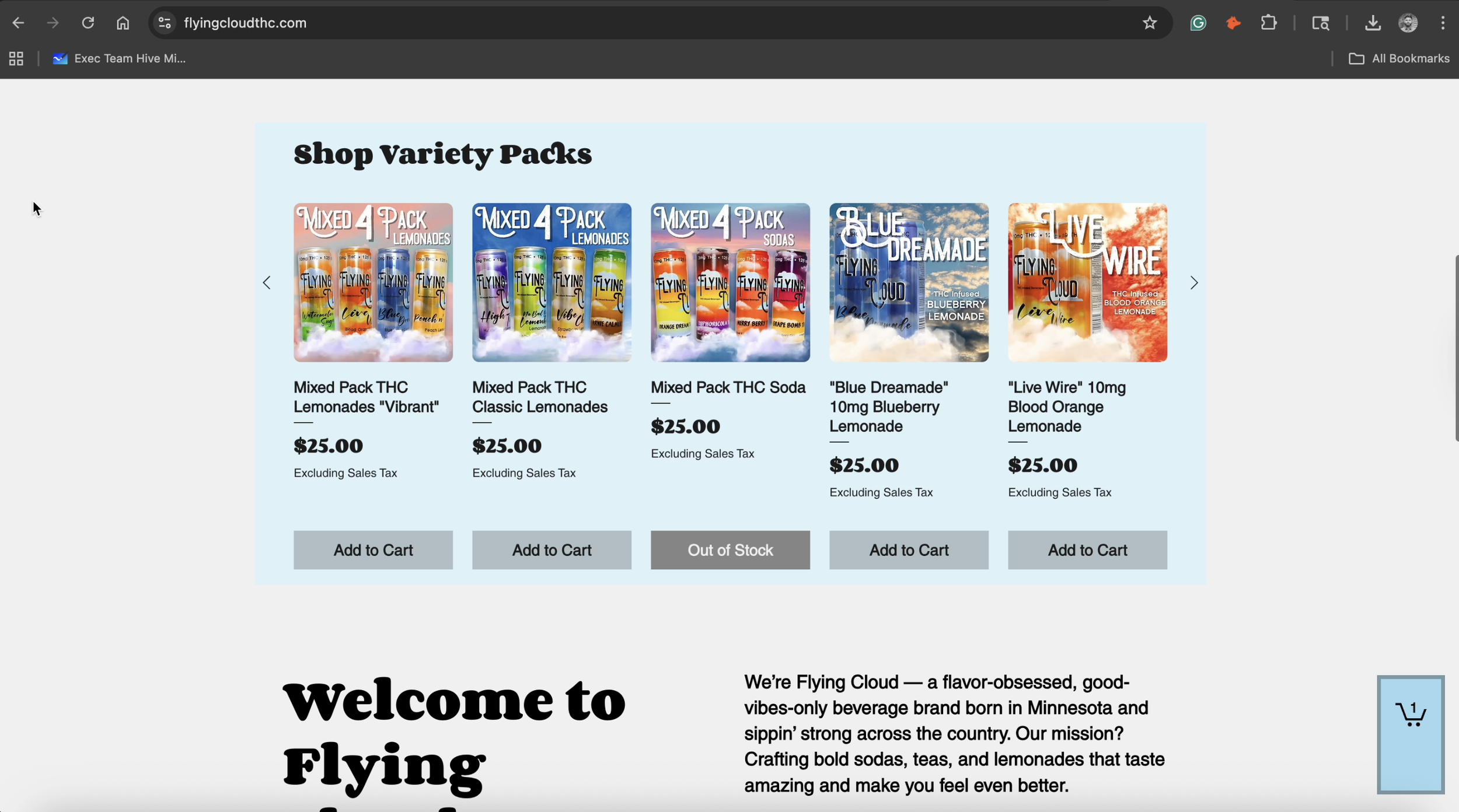
I led the full transition from Wix to Shopify, designing a modern, cohesive storefront optimized for conversions. I sourced a payment provider called Bankful that supported subscription services and quick-pay checkout, restructured pricing and shipping to reduce customer costs while maintaining margins, and integrated tools that offered free gifts and free shipping based on order value. The result is a more trustworthy, engaging, and revenue-ready e-commerce experience.
In addition to improving the website’s functionality, I led the technical transition by implementing proper 301 redirects in Cloudflare and managing the domain migration through Google Search Console. These efforts preserved the SEO and AEO rankings earned by the previous site while ensuring users were seamlessly directed to the new purchasing experience. I also ensured the website was fully SEO-optimized, including file naming conventions, meta descriptions, and on-page content strategically aligned with high-intent keywords such as “THC beverage,” “THC lemonade,” “THC soda,” and related search queries. Additionally, I published our full product catalog to Google Merchant Center to maintain organic discoverability and drive continued purchase intent.
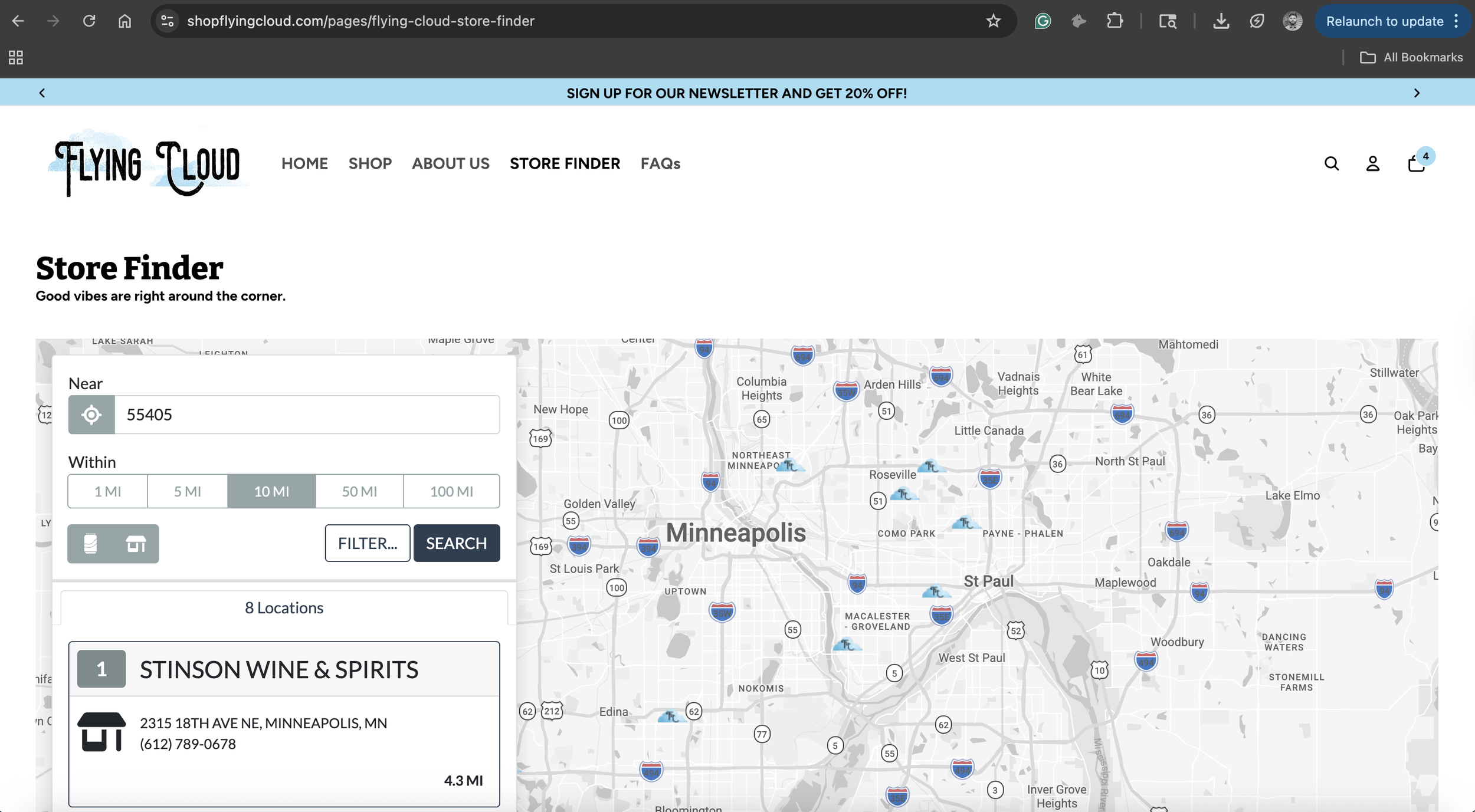
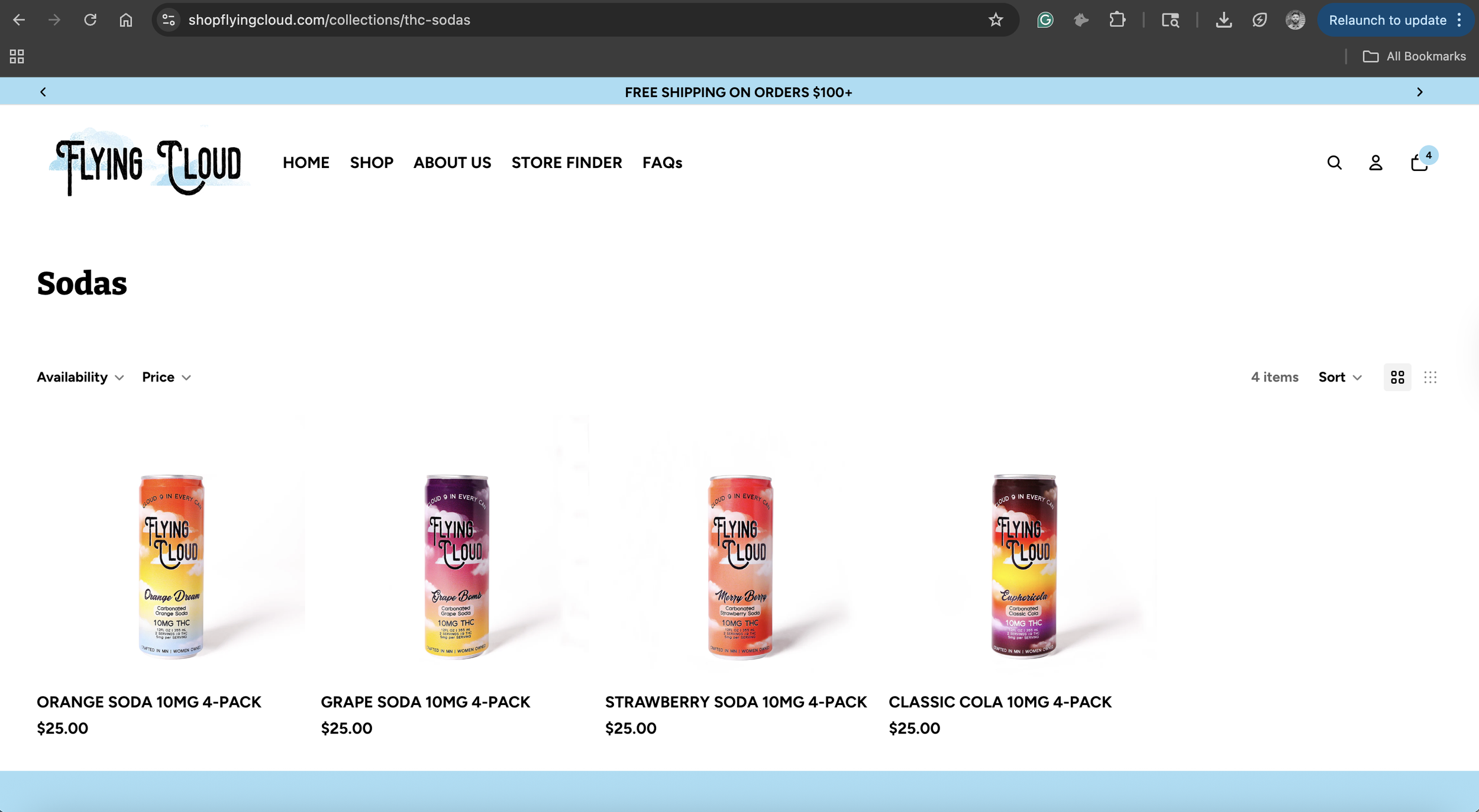
Check out the new website for yourself, or scroll down to see some before-and-after examples.
Home Page
Collections
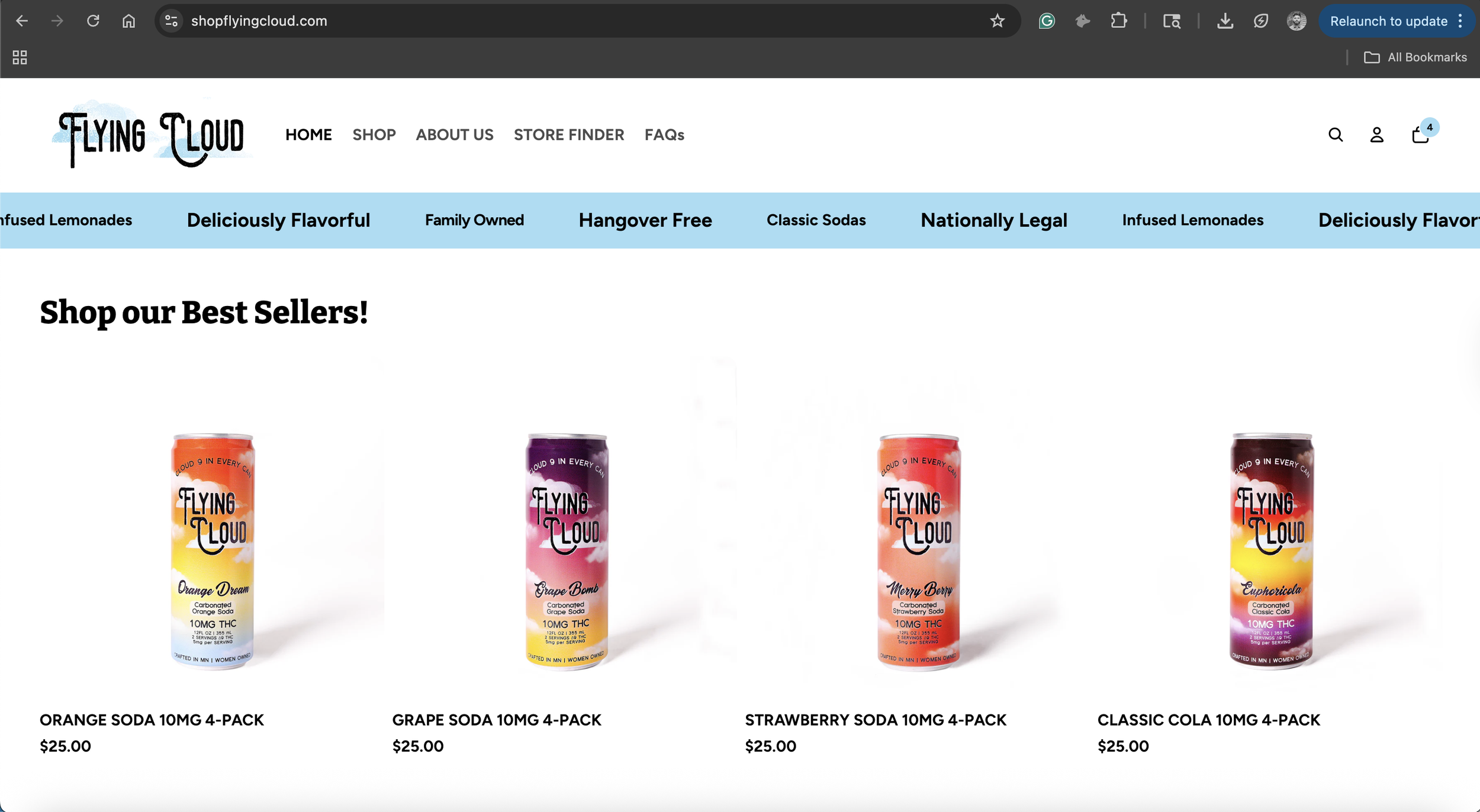
Store Finder
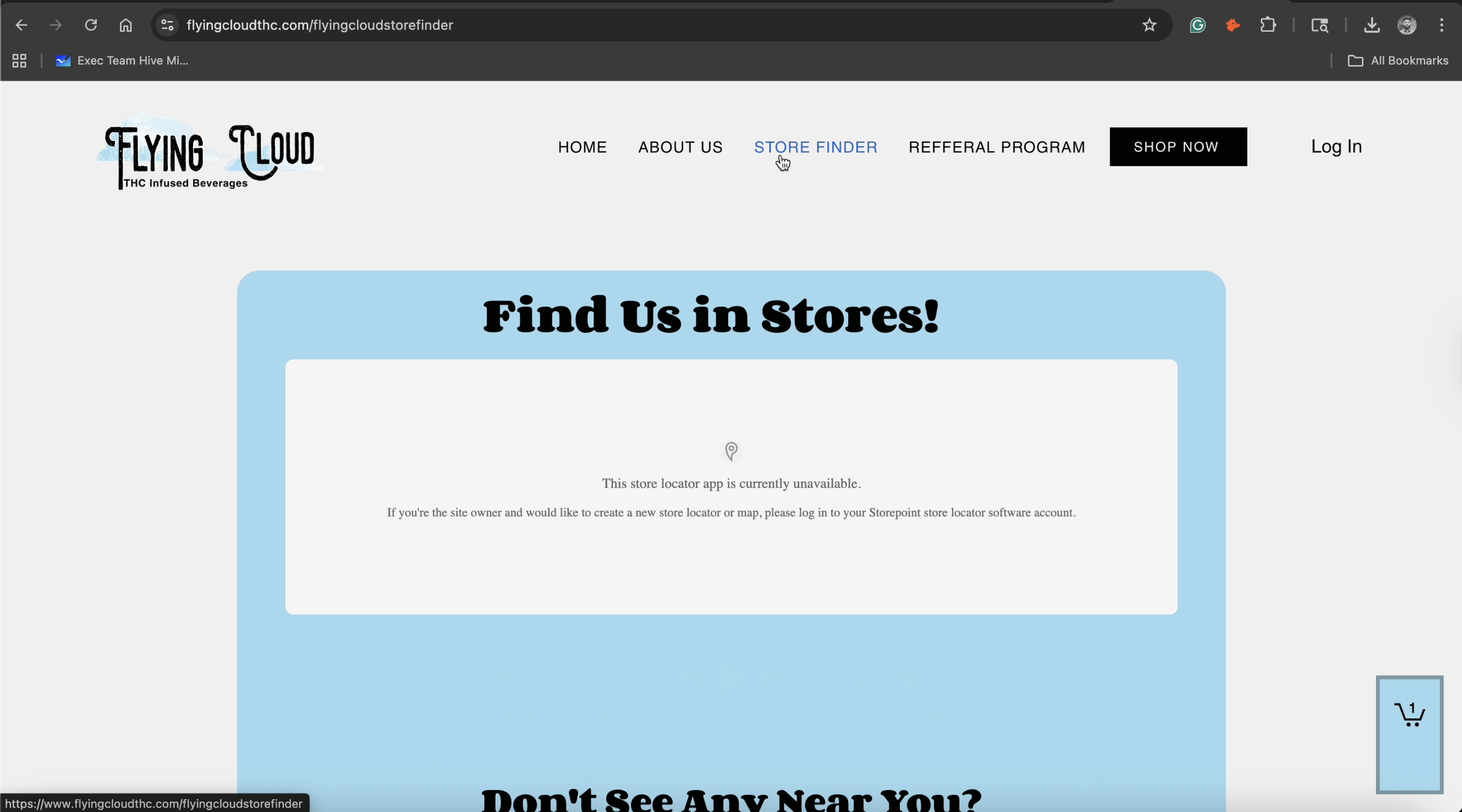
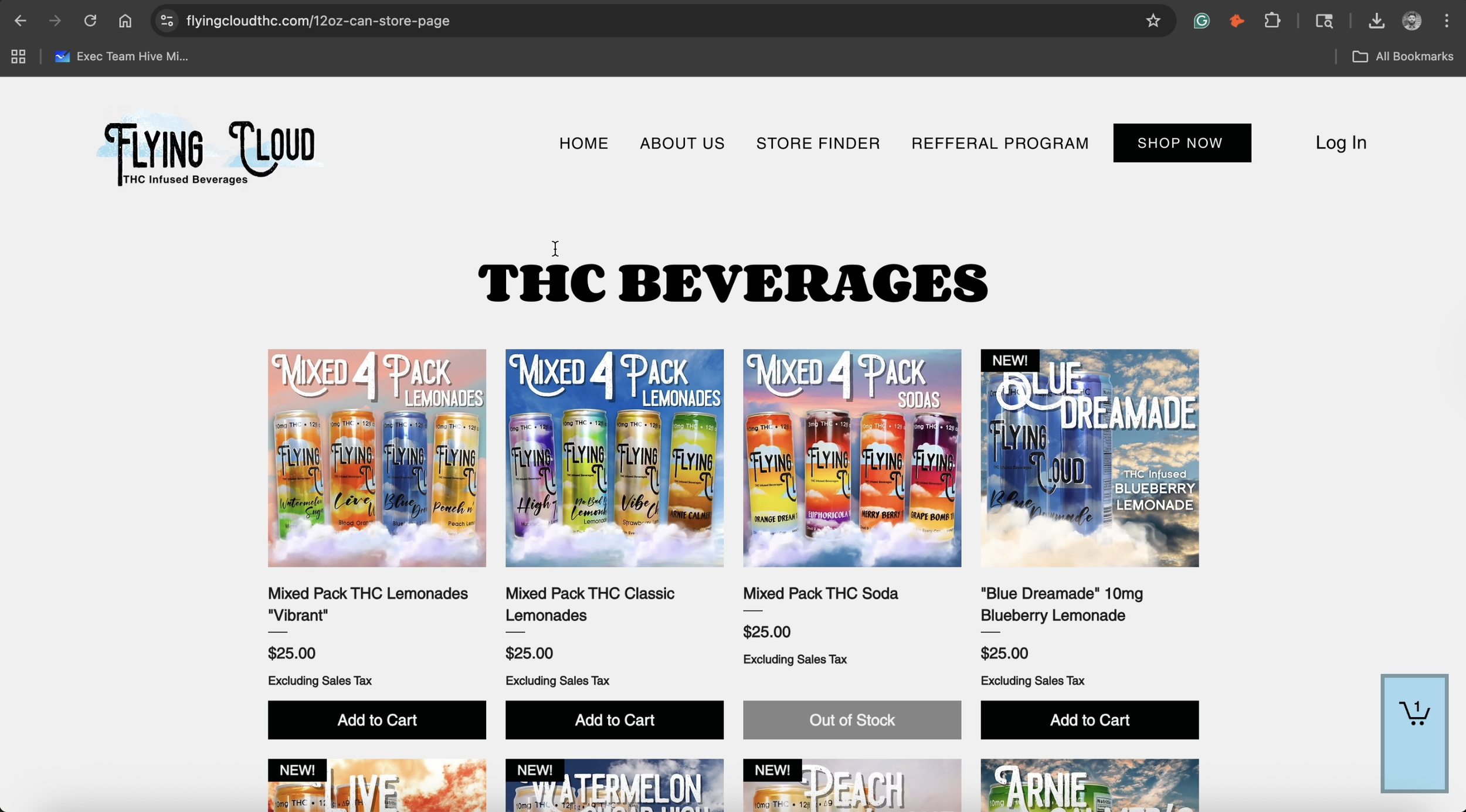
Shop Page
Go-To-Market, Retail Execution, and Infrastructure
During my time at Flying Cloud, I focused on improving sell-through performance as the brand expanded into physical retail through national and regional distribution partners. While initial sales velocity from seeding product into stores was strong, sell-through at active accounts proved slow and inconsistent.
At the time, the company had no dedicated, in-market sales presence to support physical retail. Growth expectations relied heavily on distributors, without complementary incentive structures, POS materials, promotional programs, or coordinated digital and out-of-home marketing to drive consumer demand. As the brand scaled nationally, I used performance data, market research, and distributor feedback to demonstrate that a dedicated in-market sales presence was critical for success in the adult beverage category.
Working with leadership, we quickly began building a field sales team to establish physical presence across key markets. This shift improved retail partner support, merchandising and product education at the point of sale, and alignment between distributor activity and in-market demand generation.
Building out the sales team, combined with the strategic shifts outlined below, helped stabilize underperforming markets and bring them to profitability. This included seeding more new accounts, strengthening distributor relationships, increasing sell-through at the point of sale, and shortening reorder cycles
design Optimization for shelf conversion
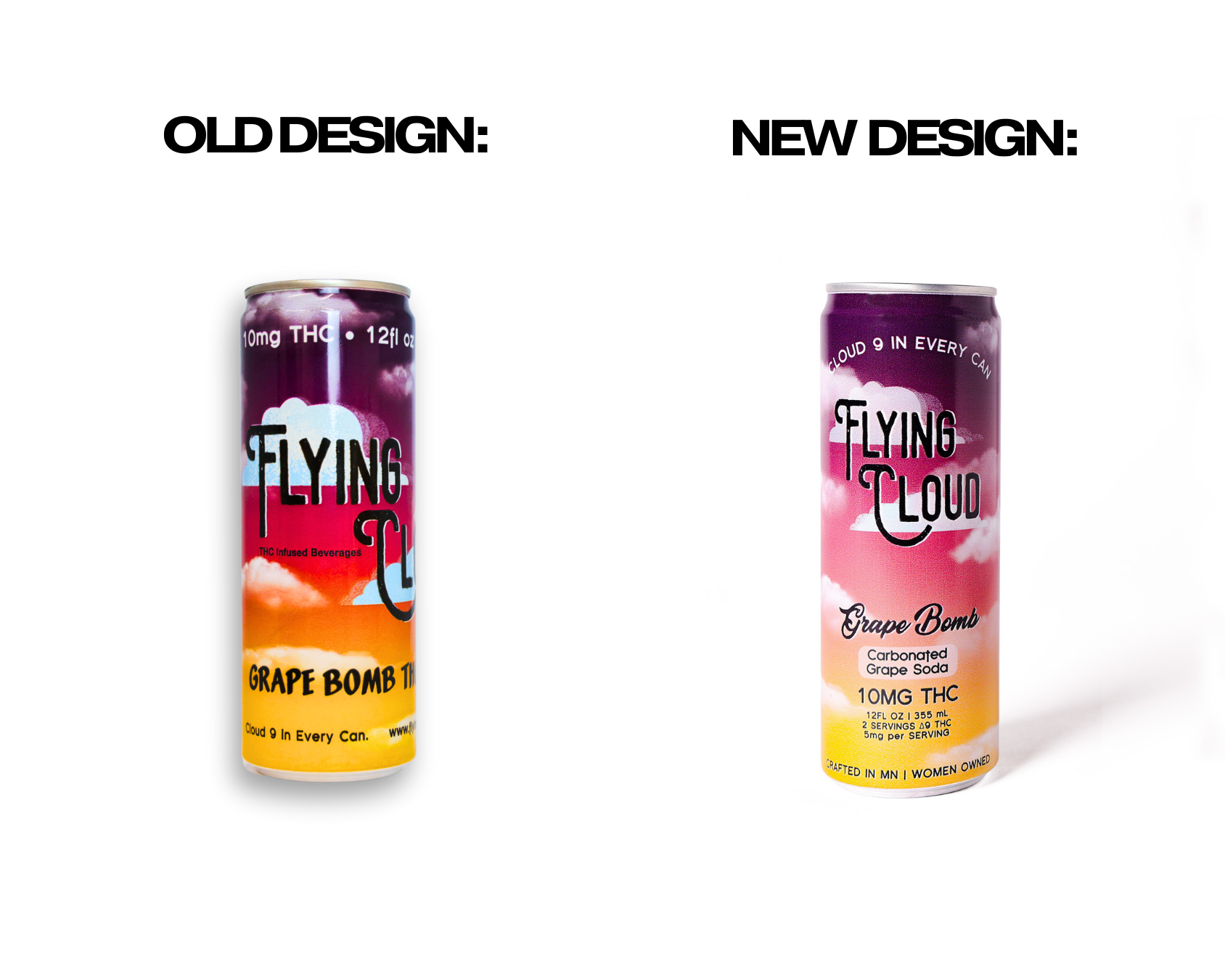
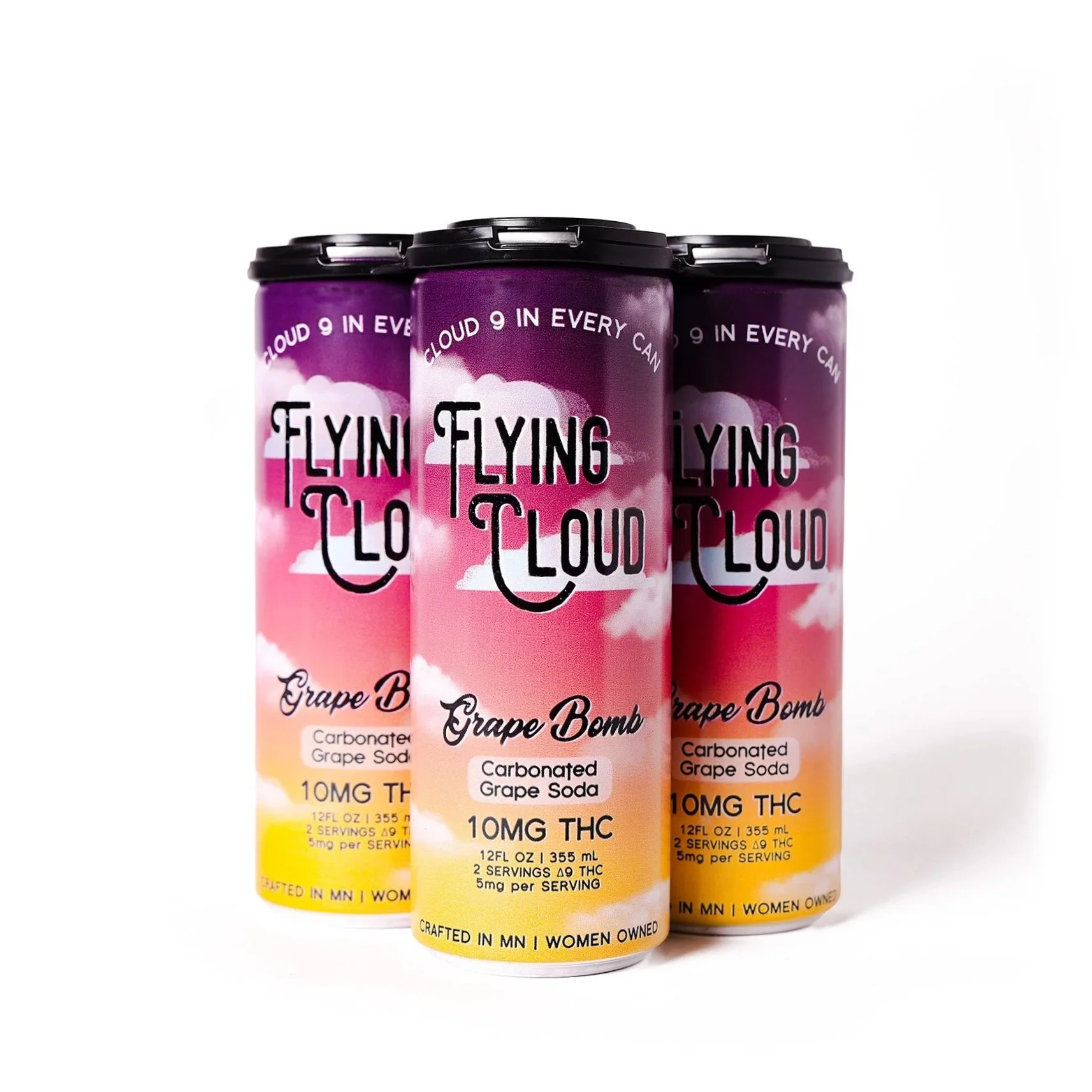
One of the most significant barriers to sell-through was packaging design. The existing can design lacked a clear front-facing hierarchy of information and suffered from formatting and font inconsistencies. From a single shelf-facing angle, consumers could not easily identify the brand name, flavor, or key product attributes, often requiring them to physically handle the can to understand what they were purchasing.
I led the recommendation and development of a packaging redesign focused on improving readability, design consistency, and front-facing communication while preserving the core brand vision. After an extended review and iteration process, the updated design improved shelf clarity and reduced cognitive load at the point of purchase.
Rebate Programs & In-Market Tastings
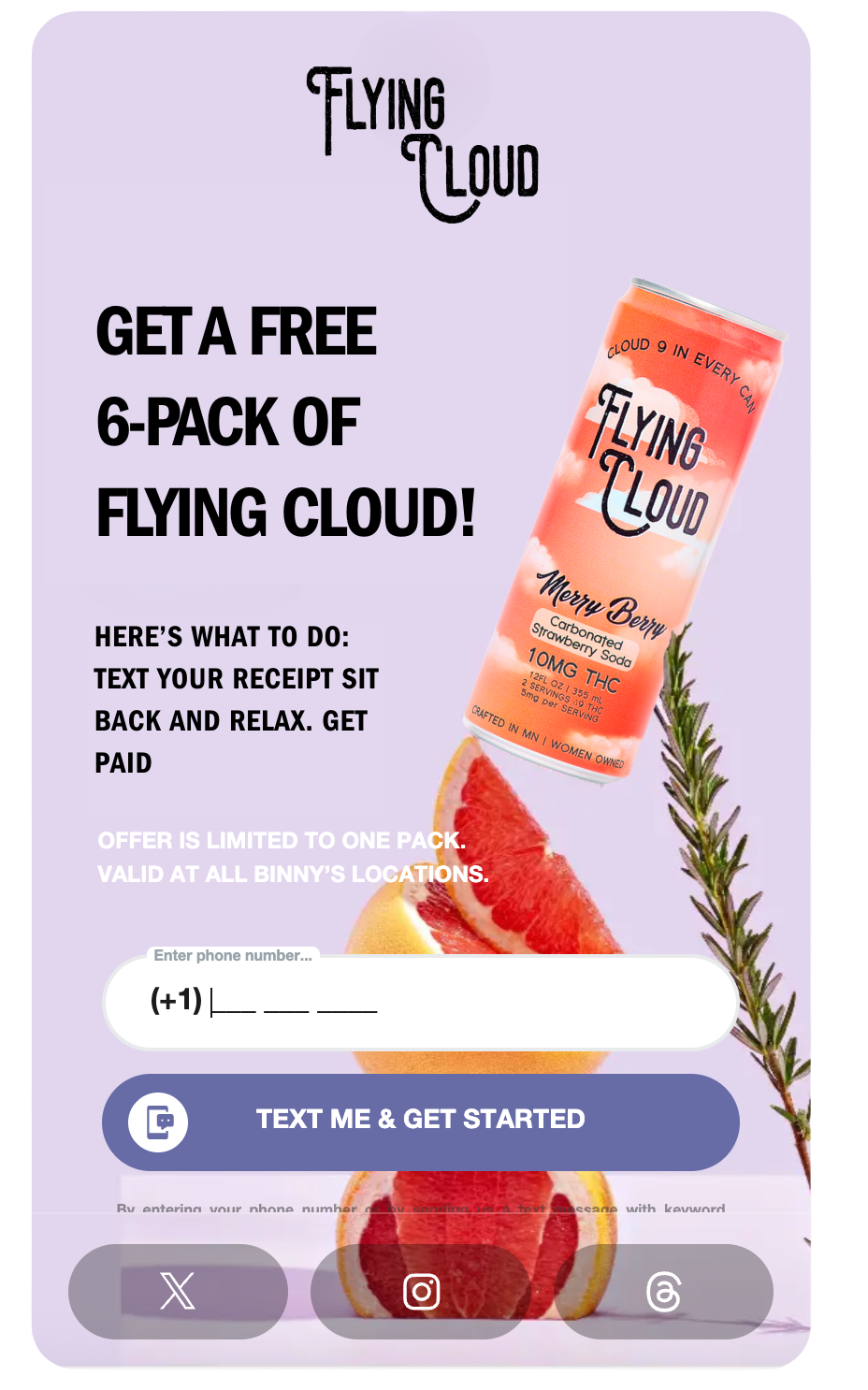
Rebate programs paired with in-store tastings and digital support were our largest needs for sell-through and a top request from distributor partners. These initiatives were especially important for driving trial in a regulated category.
I evaluated multiple rebate platforms, most of which declined to support THC beverages due to regulatory concerns. I ultimately identified Brij, a trusted partner in the adult beverage space willing to support the category, and negotiated a reduced service rate of $750 per month (down from $1,000) plus a waiver of their 1,500 setup fee. I also sourced tasting rep services across our markets, averaging ~$200 per four-hour tasting, creating a scalable framework for trial and activation.
While the full program was not implemented due to broader organizational prioritization and budget considerations, we addressed the need by cross-training our sales team to schedule and conduct tastings independently. Though limited in frequency (1–4 tastings per rep per week) and balanced against sales responsibilities, this approach enabled continued in-market activation without additional budget and supported retail sell-through.
POS Print, Fulfillment & Distributor Enablement Strategy
As distribution expanded, effective in-market support required significant investment in POS materials across diverse markets. Market managers and distributor sales teams regularly requested a wide range of assets: sell sheets, posters, cooler clings, shelf talkers, display cases, and branded promotional items—creating operational complexity at scale.
When I first arrived at Flying Cloud, my team was fielding distributor print requests individually, which introduced unnecessary labor, duplicate shipping costs, slow turnaround times, and created friction with our distributors due to varying distributor cost-share agreements.
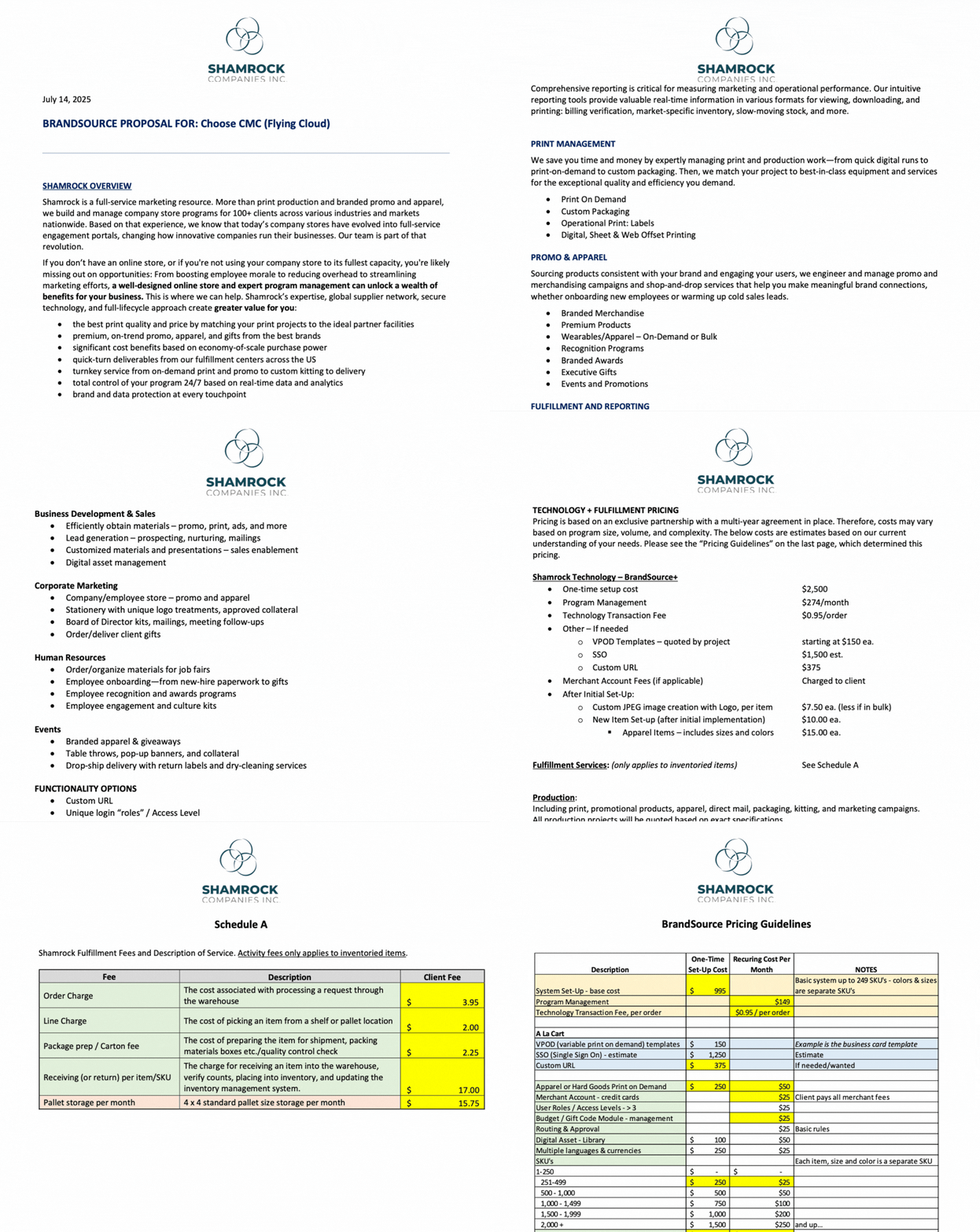
To address this, I designed a scalable print, warehousing, and fulfillment strategy centered on a third-party partner capable of supporting national distribution. I sourced and negotiated a proposed partnership with The Shamrock Companies, leveraging aggregated print volumes to reduce per-unit costs and centralize fulfillment.
The proposed solution was designed to:
Reduce operational inefficiencies by eliminating duplicate shipping and in-house fulfillment labor
Lower per-unit print costs through volume aggregation across multiple asset types
Enable rapid, on-demand ordering through a distributor-facing online portal
Automatically apply contract-specific cost-share rules to reduce billing friction
Flood key markets with consistent, well-designed POS materials
Improve distributor and field sales enablement in fast-moving retail environments
While the initiative was not implemented due to broader organizational prioritization and budget considerations, the work established a clear framework for how relatively modest infrastructure investments could meaningfully improve retail execution and sell-through performance.
In stride, we worked within our constraints to reduce costs and improve speed to market by shifting fulfillment toward our newly built field sales team. We began small batch ordering materials directly to in-market sales representatives rather than routing shipments through a central warehouse. This approach reduced redundant shipping costs, increased the total volume of materials deployed into the market, and improved responsiveness to local needs.
Although this solution was not as scalable as a dedicated third-party warehousing partner, it produced measurable improvements and supported the retail growth we were able to achieve under existing constraints.